Distinguish a useful remainder from an unknown object
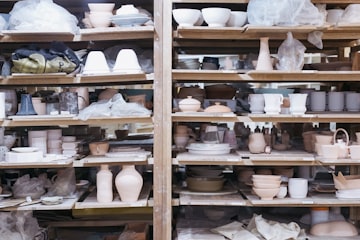
A short length of material or an unopened component may deserve a place in the workshop, but only if you can identify it and use it appropriately. Choose one shelf of leftovers and record the relevant material, dimensions, condition and origin where known. Do not guess about suitability for a safety-sensitive use. Keep uncertain items separate from stock people routinely select for customer work, following applicable handling and disposal guidance for the materials involved and seeking appropriate specialist advice when identification matters.
Choose a reason to keep each category
Define the ordinary job a remainder might serve. A sample for discussing color is different from stock suitable for production. Give those categories distinct locations or labels. Avoid treating every conceivable future use as equally plausible. Ask how you would find the item when needed and whether keeping it creates an access or storage problem now. The aim is a practical decision rule that can be applied after a busy job, rather than a detailed inventory that nobody has time to maintain.
Review the shelf through a fictional job
Take a typical request and try locating a suitable remainder using only the labels and records. If you cannot establish suitability, the item is not ready stock merely because it occupies a tidy bin. Record what needs identification or assessment and assign a next action. Set a review trigger for material that remains unused. Clear the shelf through appropriate routes when items no longer justify their place, while preserving the few well-described remainders that genuinely support the work you already do.
U.S. Small Business Administration: manage your business ↗
This article combines general educational guidance with original planning exercises. It does not claim first-hand field testing or an endorsement from the linked organization. Sources checked October 2026.